
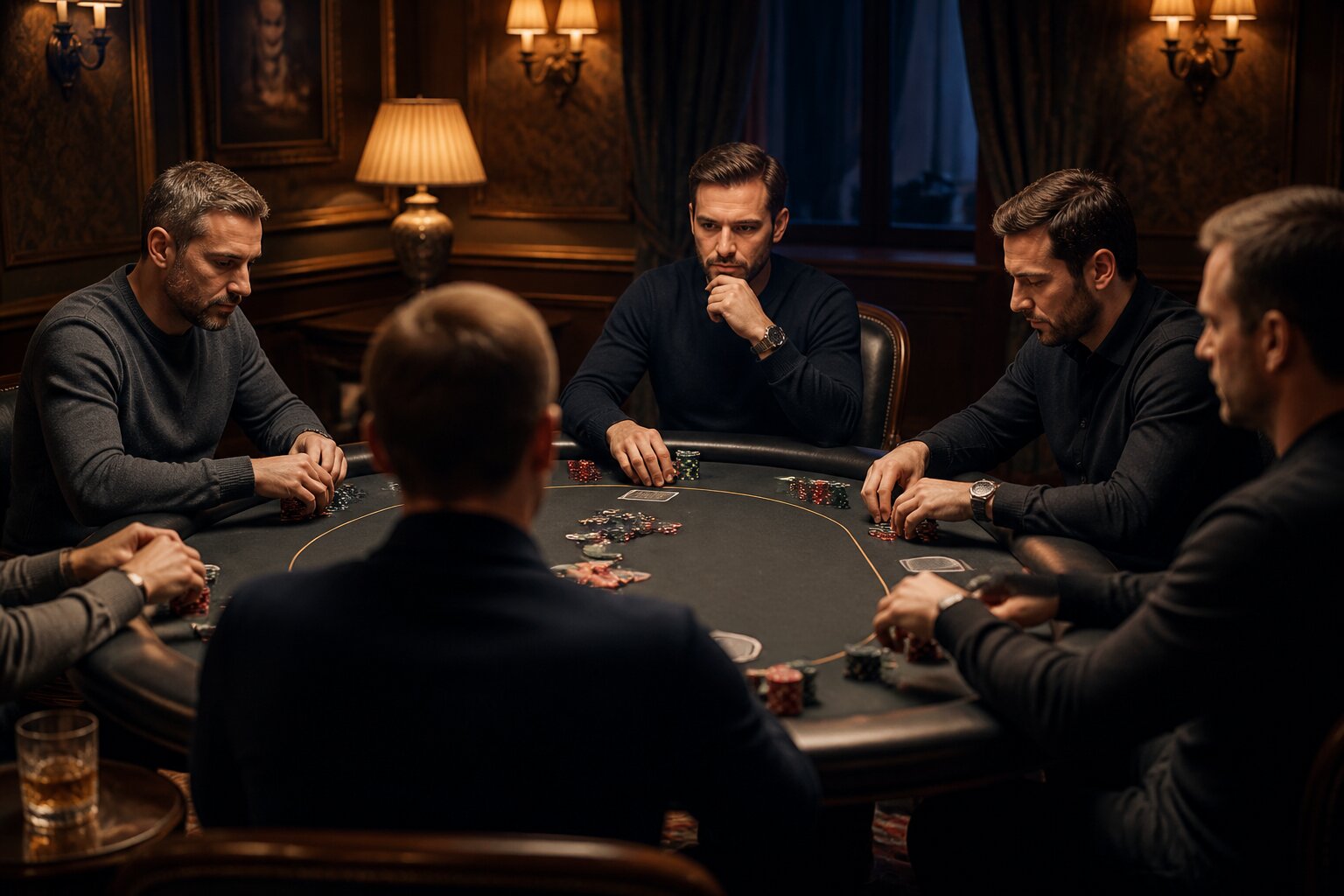
Ever found yourself at a poker table, glancing at your seat and quietly wondering if it really makes any difference? It’s easy to assume poker’s all about the cards you’re dealt and your ability to play them well. But that’s only part of the picture. Position matters far more than most people realise, and it can mean the difference between walking away with chips or giving them up.
Imagine settling down in your local card room or logging in to play online—do you grab the first available seat, or wait for a particular spot? The placement of your chair changes what information you have, when you act, and sometimes the dynamics you and your opponents bring to each hand.
Position is a crucial part of poker strategy, affecting everything from bet sizing to the timing of bluffs. Whether you’re a regular or new to the felt, understanding how seats shape play can turn familiar situations into real opportunities.
Understanding Poker Table Positions
Every seat at the poker table has a name and a role in how a hand unfolds. Learning these positions is essential if you want to make smarter choices and read the game better. Below are the standard seats you’ll encounter at a typical table, described so you can picture how they influence action.
The Button (Dealer Position)
The Button, often shown as D online, is the most advantageous seat. Acting last in most betting rounds lets you see other players’ moves before choosing your own. In live play the Button rotates clockwise after each hand, so your advantage moves around the table too.
Cut-off
Sitting immediately to the right of the Button, the Cut-off is powerful because it is one of the last to act. Players here can often leverage that timing to pressure the blinds or steal pots when the Button folds.
Hijack
Next to the Cut-off, the Hijack is another late position offering a balance of information and opportunity. It is a good place to widen your starting-hand range if the table is playing passively.
Middle Position
These seats sit between the early and late zones. They offer more information than early positions but still leave several players to act after you, so caution is sensible.
Under the Gun (UTG) and Early Position
Under the Gun is the first seat to act after the blinds and is one of the toughest places to be. Early positions act before most of the table and therefore have limited information to work with.
The Small and Big Blinds are forced bets to the left of the Button. The Small Blind acts early after the flop, while the Big Blind posts a bet before cards are dealt. Defending the blinds can become costly if not handled carefully.
Knowing these roles helps you anticipate information flow and craft a more effective approach at the table. With that foundation, it’s easier to see how position actually shapes decision-making in practice.
How Position Shapes Your Decision-Making
Position influences nearly every choice at the table. Acting later gives you the benefit of observing opponents’ actions first, which in turn affects whether you bet, fold or raise.
Take early seats: acting with little knowledge of others’ intentions usually means committing to stronger starting hands. Players in these spots often prefer premium pairs or top-tier combinations, since many others still have the chance to raise or call. By contrast, late positions can exploit the information available, stepping in with a wider set of hands or applying pressure when the table shows weakness.
This informational edge also affects pot control. Acting later makes it easier to size bets to achieve your goals, whether that is extracting value or forcing opponents into fold-or-call decisions. It also reduces the risk of being caught out by unexpected aggression from players who act after you.
Keep in mind the value of disciplined decision-making: avoid letting frustration or emotion drive choices, and set sensible financial limits before play. Treating poker as controlled entertainment, with clear boundaries and responsible staking, helps preserve enjoyment and prevents harm.
Early, Middle, and Late Position: What Do They Mean?
Poker seating is often grouped into early, middle and late positions, based on proximity to the dealer and the order of action. Each zone changes the information available and therefore the hands that are sensible to play.
How Does Early Position Affect Your Game?
Early position begins with Under the Gun and includes the seats immediately after the blinds. Players here must act before most of the table, with limited knowledge of others’ intentions. As a result, early position calls for tighter play and a focus on powerful starting hands—premium pairs and strong broadway combinations offer the best chance of success when facing multiple opponents.
What Are the Advantages and Disadvantages of Middle Position?
Middle position provides a modest boost in information over early seats while still leaving several players to act afterwards. This allows for a slightly wider hand range, such as mid pairs and suited connectors that can make strong post-flop hands. The trade-off is vulnerability to pressure from late positions, so middle-position choices need to balance aggression with the risk that someone acting later may reraise or steal.
Why Is Late Position So Powerful in Poker?
Late position, which includes the Cut-off and Button, is prized because acting last reveals the most about opponents’ intentions. From here you can expand your playable hands, convert small folds into wins with targeted raises, and use bet sizing strategically. The freedom that comes with late action is what makes these seats central to many players’ plans.
These distinctions set the scene for how table dynamics evolve, and the next section looks at how your seat influences opponent behaviour and table talk.
Table Position and Interaction with Opponents
Your seat doesn’t just shape the cards you play; it also changes how other players react to you and to one another. Betting order can create patterns of behaviour that ripple through the table and alter everyone’s approach.
How Does Your Seat Influence Opponent Behaviour?
The way a player acts from a specific seat can prompt adjustments across the table. A strong bet from an early seat signals solidity, while frequent raises from late positions can make blinds tighten up or defend more aggressively. Over time, these reactions establish a table image for each player, which others use to decide whether to call, fold or press the attack.
Can Table Position Help You Read Players More Effectively?
Late position offers more opportunities to observe tendencies before committing chips, making it easier to identify who plays aggressively from certain seats and who tightens up. Seeing whether opponents limp, raise small, or check-fold can provide clues about their likely holdings without promising certainty. Tracing these patterns builds context for later decisions and gives you a practical edge when choosing whether to contest a pot.
Understanding interaction dynamics helps you interpret the actions you face and shape your own responses. That interplay is also tied to measurable outcomes, which we’ll examine next.
Does Position Really Impact Poker Outcomes?
Position has a demonstrable effect on hand results and long-term returns. Acting later gives practical benefits: better pot control, more informed betting, and more opportunities to extract value or avoid costly confrontations. Statistical analyses of large hand samples show consistent advantages for players who occupy late positions more often.
These findings do not guarantee profit for any individual session—variance and skill still matter—but they explain why experienced players prize certain seats and why table selection and rotation are part of broader strategic thinking. Recognising how position affects outcomes helps shape sensible decisions about which hands to play and how aggressively to pursue pots.
With the link between seat and results clear, the next step is learning how to adapt your play to the seat you hold.
Adapting Your Play Based on Seat Location
Adjusting strategy to reflect your current seat gives you a tactical edge. Flexibility means tightening up in early spots, broadening your range in the middle when the table is passive, and exploiting late position with well-timed aggression—always within predefined staking limits.
In early position, playing conservatively preserves chips and avoids marginal confrontations. Middle position allows you to introduce hands like pocket eights or suited connectors that can develop well post-flop, but remain mindful of late-position pressure. Late position lets you attempt controlled steals and occasional bluffs when the action appears weak, while also enabling more nuanced value bets.
Your table image matters too: if you’ve been tight, a sudden raise from late position carries extra weight; if you’ve been loose, opponents are likelier to call or reraise. Modifying play according to these signals, and keeping bankroll boundaries firm, gives you the best platform for sound, sustainable poker.
By paying attention to where you sit, how others respond, and how the game is unfolding, you turn seating into a practical tool rather than an afterthought. Use position as one thread in a disciplined approach, and it will help you make clearer choices and enjoy poker more reliably.
Play Online Casino Games at Thor Slots
We'd love to welcome you to Thor Slots, where our online casino is all about entertainment and enjoyment. Come along and see what we have to offer, with plenty of ways to play for fun.
Getting started is straightforward: just create an account, make a deposit and you're ready to explore. We look forward to having you with us.
**The information provided in this blog is intended for educational purposes and should not be construed as betting advice or a guarantee of success. Always gamble responsibly.