
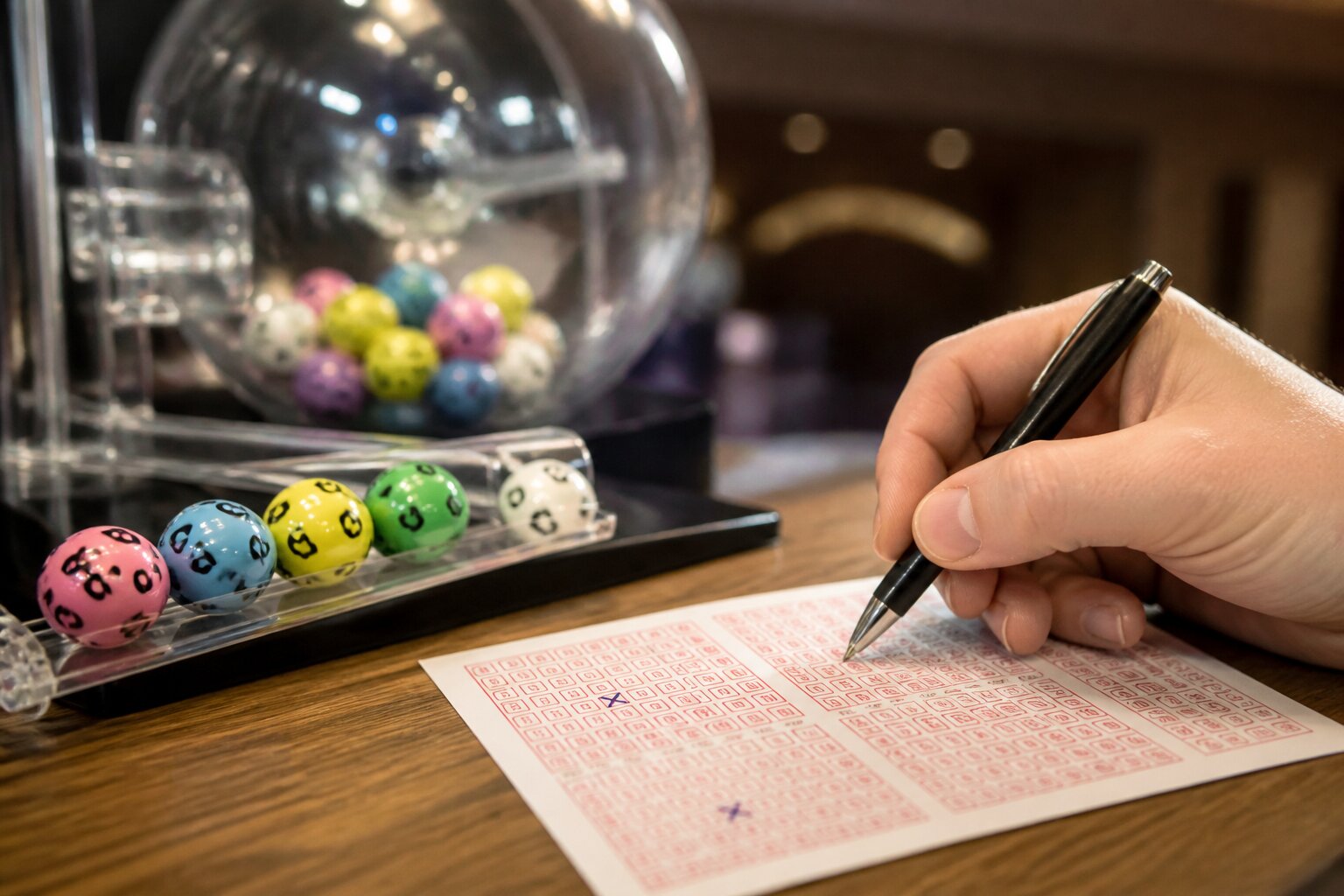
Is there any reliable method to pick lottery numbers, or is it all down to probability and randomness? Every week, millions across the UK check their slips, hoping their chosen digits match the draw. Many people return to familiar choices—birthdays, anniversaries or numbers that simply feel meaningful.
If large groups favour the same patterns, a winning line can turn into a shared prize rather than a solo win. Some numbers are regularly selected, while others are overlooked. What follows explains why that happens, which common choices to recognise and which tendencies can increase the likelihood of splitting a jackpot.
Why Are Certain Lottery Numbers Chosen Most Often?
Many popular number choices come from simple human habits. Personal dates such as birthdays and anniversaries restrict selections to 1–31, so numbers above 31 tend to be chosen less often. That makes mid- and high-range numbers less crowded on play slips.
Cultural and personal preferences also shape picks. Some numbers gain prominence through tradition or repeated personal use, and single-digit figures remain easy to remember. Visual patterns on the play slip — rows, diagonals or neat sequences — are attractive because they simplify selection and recall.
These preferences don’t change the probability of a number being drawn, but they do affect how many people will hold the same winning line. Understanding these selection drivers helps explain why some combinations appear more often on prize boards than others. Next, we’ll look at the common patterns that emerge from these habits.
Common Patterns Seen in Lottery Number Selection
Players often choose numbers that feel orderly or memorable, which creates repeatable patterns across many tickets. These selections make slips look tidy and give people a method for choosing without analysing odds.
Number sequences are one obvious pattern: runs like 1, 2, 3, 4, 5, 6 or 10, 11, 12, 13, 14, 15. Lines made up entirely of odd or even numbers are another frequent choice, as are regular intervals such as multiples of five. Visual alignments on the ticket grid — diagonal, vertical or horizontal stretches — attract players who pick by sight. Repeating last digits (7, 17, 27, 37, 47, 57) also appears regularly because it’s a simple rule that’s easy to follow.
Spotting these common selections is useful because, if such a line wins, expect more co-winners than for a more unusual combination. The next section explores which of these patterns are most likely to lead to shared prizes.
Patterns to Avoid When Picking Lottery Numbers
Some choices are so popular that they often result in shared jackpots. Date-based selections (1–31) are a prime example: many players use birthdays or anniversaries, concentrating entries on those numbers. Round-number patterns, such as multiples of five or neat sequences ending in zero or five, also attract many picks because they’re simple to remember.
Straight lines on the play slip or sets of neighbouring numbers are visually pleasing and frequently selected. Repeating-digit combinations — for example, 11, 22, 33, 44, 55 — satisfy the desire for symmetry and therefore appear often.
Being aware of these crowded approaches helps when deciding how to pick. If avoiding shared prizes is the goal, steering clear of the most obvious shapes and date-limited sets will reduce the chance of splitting a prize. The following section explains why none of these choices alters the actual draw odds.
Do Popular Numbers Really Improve Your Chances?
Popular numbers do not change the mathematical odds of winning. Every possible combination has the same probability of being drawn. For example, in the main Lotto game, the chance of matching all six numbers is 1 in 45,057,474 regardless of which line you select.
What does change is the likelihood of sharing any prize. If a widely chosen combination wins, the payout for each winner is smaller because the prize is divided. So selecting less commonly picked patterns can increase the chance of keeping a larger share, even though it does not increase the chance of winning in the first place.
With that in mind, understanding how randomness works in the draw can clarify why patterns and past results do not influence future outcomes.
Understanding Randomness in Lottery Draws
Lottery draws are designed to be independent events: each draw gives every combination the same probability, unaffected by previous results. The systems used — whether mechanical machines or certified random number generators — are regularly tested and audited to ensure fair play and consistent randomness.
A helpful way to think about this is to imagine a large set of numbered balls. Once a draw is performed, the next draw starts afresh with the same distribution; the machine or generator does not favour or penalise any number. That equality is fundamental to how lotteries operate and is the reason why strategies that rely on past outcomes cannot alter future probabilities.
This impartial process is why persistent beliefs about certain numbers being due or more likely to appear have no foundation in the mechanics of the draw. The next section looks at those common beliefs and how they hold up against the facts.
Debunking Myths About “Lucky” and “Unlucky” Numbers
Beliefs that some numbers carry special properties are cultural or personal, not statistical. Certain digits attract repeated selection because they have meaning in people’s lives or national folklore, not because they perform better in draws.
Choices based on these beliefs do not affect the fairness or outcome of a draw. Numbers considered desirable or avoided by many players are simply choices like any other under the draw’s rules. The perception that a number is “due” or “overdue” to appear misunderstands how independent draws operate: previous results do not alter the distribution of future outcomes.
Understanding this helps frame number selection as a personal choice rather than a technical advantage. With that clarified, some players still wonder about repeating previous winning lines or selecting consecutive numbers — the next section addresses those ideas.
Should You Play Consecutive or Repeated Numbers?
Consecutive numbers and repeating a previous winning line are both common considerations. Statistically, neither strategy changes the chance of success: sequences such as 12, 13, 14, 15, 16, 17 are as likely to be drawn as any random mix. Similarly, a line that won in a past draw has no greater or lesser chance of appearing again.
People often feel consecutive patterns are unlikely, but over many draws such sequences do occur just as any other arrangement does. Repeating a past winner is equally neutral from a probability perspective. The choice between reusing a line, favouring a sequence or mixing numbers across the full available range comes down to player preference and the desire to avoid commonly chosen patterns that lead to shared prizes.
If you prefer to minimise the chance of splitting a prize, selecting numbers that are less tied to dates and obvious visual patterns can help. The final section summarises the practical takeaway for choosing numbers.
The Bottom Line: Choosing Lottery Numbers Wisely
Every eligible combination has the same chance in a fair lottery; no trick or sequence changes the fundamental odds. What does vary is how many other people pick the same line. Choices rooted in dates, simple sequences or prominent cultural preferences concentrate entries on particular numbers and raise the probability of sharing any prize.
For most players, the sensible approach is to treat tickets as a form of entertainment. Decide on an amount that fits within personal finances and avoid chasing losses. Playing with an awareness of which patterns attract crowds helps manage expectations about potential payouts, while remembering that the draw process itself remains impartial and random.
If you want to explore options on the site, our comparison pages and recommended guides show commonly used approaches and how they affect prize-sharing; otherwise, choose in a way that suits you and enjoy the experience responsibly.
**The information provided in this blog is intended for educational purposes and should not be construed as betting advice or a guarantee of success. Always gamble responsibly.