
Ever wondered why French Roulette is often hailed as the most player-friendly version of this classic game? You might have spotted it on a casino floor or seen the term La Partage mentioned online and thought, “Is that just another way to play roulette, or is there more to it?”
With its distinctive wheel and a handful of rules that change how even-money bets are settled, French Roulette offers a different spin on a familiar table game. If you know the basics of roulette already, exploring the French version can reveal small differences that matter to how a session feels and how long your stake can stretch.
This guide explains the wheel, the table layout, the special rules, and how to place bets so you can approach a French table with confidence.
What Makes French Roulette Unique?
French Roulette stands apart through a combination of table language, layout details and rules that affect even-money bets. The wheel itself is the same as the European version: one zero pocket and numbers 1 to 36. That single zero is important because it means the house edge is lower than on versions with both a zero and a double zero.
Two rules in particular define the French experience. La Partage returns half of an even-money stake when the ball lands on zero, reducing the immediate loss. En Prison can hold an even-money bet for another spin rather than settling it right away, offering a second chance to recover the stake. These rules only apply to even-money wagers such as red or black, odd or even, and 1–18 or 19–36.
You will also notice French terms on the table, such as Manque for 1–18 and Passe for 19–36, which reflect a long tradition of play. Next, the wheel layout and number sequence show how the game is organised physically and why those rules have a real effect on outcomes.
Understanding the French Roulette Wheel Layout
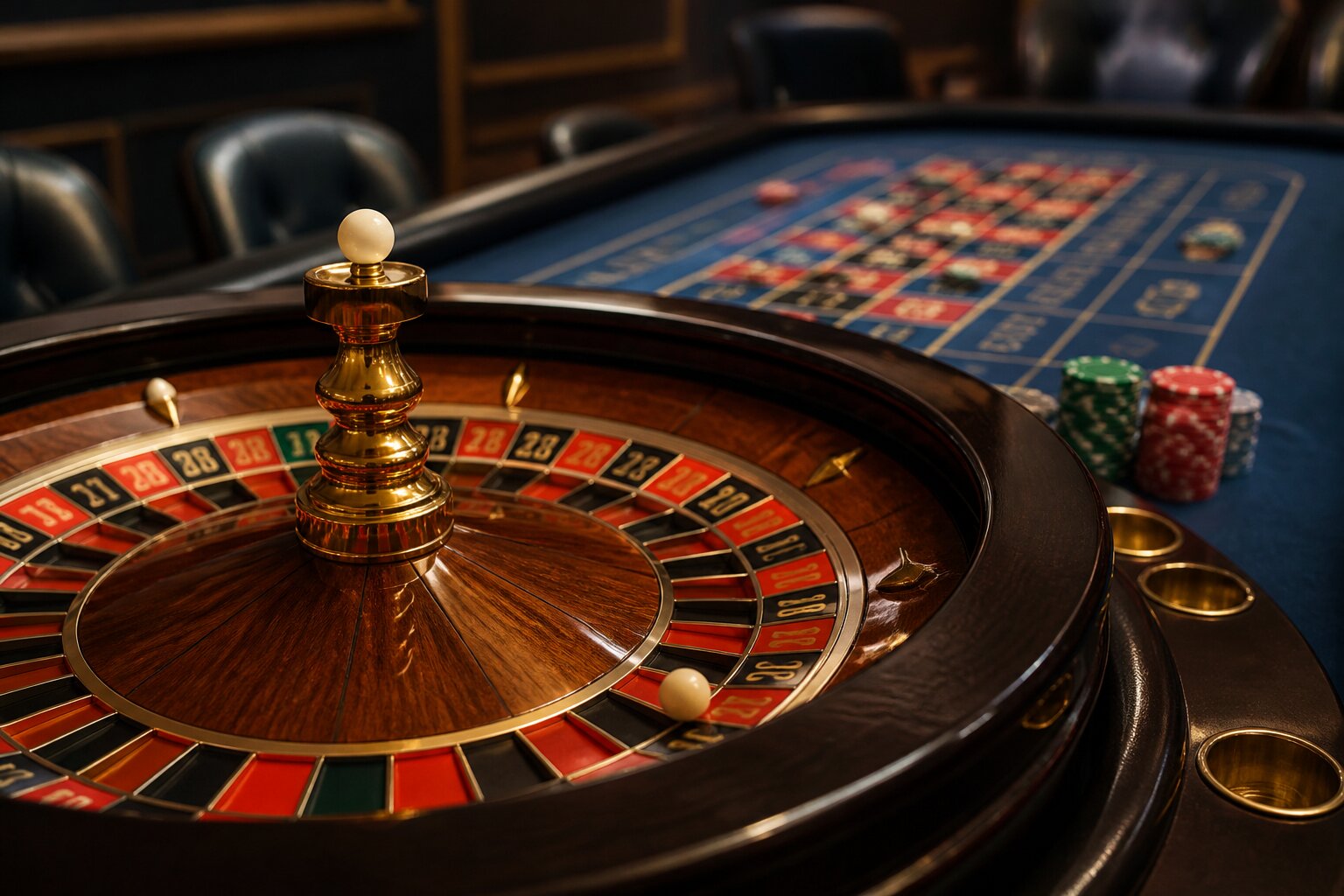
The French Roulette wheel has 37 pockets: 0 through 36. The zero pocket is green while the numbers 1 to 36 alternate between red and black. The sequence is not numerical order but a deliberate arrangement that balances colours and spreads high and low numbers around the circumference.
Because the wheel mirrors the European layout, the distribution of numbers and colours aims for even spacing. For instance, numbers that are red and black are set up to avoid bunching together visually and statistically. The result is a wheel that feels symmetrical and predictable in its structure, which matters when dealers call out groups of numbers for certain wager types.
Understanding how the numbers sit relative to each other on the wheel helps when considering special call bets that cover groups of adjacent pockets. The next section explains how those and other bets are placed on the table.
How Are Bets Placed in French Roulette?
Bets are placed on the felt, which is split into the numbered grid in the centre and broader sections around the edge. Players use chips and position them on the appropriate area before the dealer stops bets. Inside bets cover individual numbers or small clusters and are placed directly on the numbers or on the lines and corners between them. Outside bets are broader and occupy areas labelled with French terms.
Special call bets that map to wheel neighbours, such as Voisins du Zéro and Tiers du Cylindre, are represented on the layout or announced verbally; the dealer may place chips in marked areas to show these group wagers. Once the croupier spins the wheel and the ball settles, winning bets are paid and losing chips are cleared, after which play continues.
With that practical picture of betting, the following section lays out the essential rules that direct how rounds proceed and how certain situations are handled.
Essential Rules of French Roulette
The following points describe how a typical round of French Roulette is run and how outcomes are determined.
Every table displays its minimum and maximum bet limits, so stakes must fall within those values. Chips are placed before the dealer launches the ball, and bets are accepted until the dealer announces no more bets. The winning number is the pocket where the ball comes to rest; the dealer marks it and settles the table.
When zero appears on an even-money bet, either La Partage or En Prison will apply depending on the table rules in play. La Partage returns half of the stake immediately. En Prison holds the stake for one further spin and returns it if the subsequent spin wins for that bet, otherwise the stake is lost. Payouts follow standard ratios, for example a single-number bet pays 35 to 1 while even-money bets pay 1 to 1. Once outcomes are paid and losing bets removed, the table is ready for the next round.
Having covered those basics, the next two sections break down the two main classes of wagers so you can see how risk and payout differ across the layout.
Inside Bets
Inside bets are staked on the numbered grid in the centre and cover specific numbers or small groups, which delivers higher payouts for less likely outcomes.
- Straight Up: A bet on a single number, such as 7 or 21.
- Split: A bet on two adjacent numbers, placed on the dividing line between them.
- Street: A bet covering three numbers in a row, placed on the outer edge of that row.
- Corner: A bet on four numbers that meet at one corner.
- Six Line: A bet covering six numbers across two adjacent rows.
Each inside bet type specifies how many pockets it covers and what the payout will be, so choosing between them is a trade-off between coverage and reward. The following section explains the outside bets, which take a different approach.
Outside Bets
Outside bets cover larger groups of numbers and generally pay less while offering wider coverage, which can make sessions feel steadier.
- Rouge/Noir: Betting on all red or all black numbers.
- Pair/Impair: Betting on even or odd numbers.
- Manque/Passe: Betting on 1–18 or 19–36.
- Dozens: Betting on 1–12, 13–24, or 25–36.
- Columns: Betting on any one of the three vertical columns of the grid.
The area you place a chip in determines the numbers covered and the corresponding payout. Special call bets that reference positions on the wheel offer another way to cover specific clusters; these are discussed earlier in the betting section and tie directly to how the wheel layout is arranged.
Special Features: La Partage & En Prison
These two rules are what many players notice first at a French table because they change how even-money bets are handled and therefore affect the effective house advantage on those wagers. Both alter the immediate outcome when a zero appears, giving the player a softer result than a straightforward loss and so reducing the long-term cost of even-money bets.
What Is La Partage in French Roulette?
La Partage applies to even-money wagers when zero comes up. Instead of losing the full stake, half the bet is returned. This reduces the immediate cost of a zero outcome on these bets and is applied at once by the dealer.
The rule commonly covers bets such as red or black, odd or even, and low or high. In practice it cuts the house edge on those specific bets roughly in half compared with a single-zero game without the rule, making even-money wagers more favourable than they would otherwise be.
How Does En Prison Work?
En Prison takes a different approach by leaving the original stake on the table for the next spin. If the subsequent spin wins the even-money wager, the stake is returned without additional winnings. If it loses, the stake is lost. This rule functions as a conditional hold that can neutralise the effect of a zero on a future spin.
Like La Partage, En Prison applies only to even-money bets and typically holds the stake for a single follow-up spin. Where it is offered, it can also halve the effective house advantage on those wagers compared with a plain single-zero game. Casinos may vary in how they implement the rule, so it is worth checking the table or house rules to see whether La Partage or En Prison is in effect.
Both rules are limited to even-money bets and change how those stakes behave when zero appears. Understanding these options helps when choosing which bets to place and ties back into both the wheel layout and the types of bets described earlier.
Tips for Beginners: How to Get Started
Starting with French Roulette is about familiarising yourself with the table layout and the two special rules that affect even-money bets. Spend time studying the felt and, if available, practise in demonstration play to see how chips are placed and settled. Begin with small stakes within clearly set personal limits so you can observe rounds without pressure.
It helps to decide in advance which bet types suit your objectives. Outside bets offer broader coverage and more frequent, smaller payouts, while inside bets provide larger payouts at lower hit rates. Consider how La Partage and En Prison may affect even-money wagers and choose tables that clearly display the rules and bet limits.
Keep track of time and spending and use site tools such as deposit limits or play timers if they are available. Approach the table with a plan and a set budget, and allow breaks so decisions remain deliberate. Enjoy the experience as a form of entertainment, and if you want to explore recommended tables or compare layouts, the site’s comparison tools can help you find a table that suits your preferences.
Explore Casino Games at Thor Slots
We welcome you to enjoy the wide variety of casino games that we offer, all in one convenient place. Whether you are after something classic or fancy exploring something new, there is plenty to explore with us.
Getting started is simple: just create an account, make a deposit and let the fun begin. We hope you will enjoy playing with us and discovering what catches your eye.
**The information provided in this blog is intended for educational purposes and should not be construed as betting advice or a guarantee of success. Always gamble responsibly.