
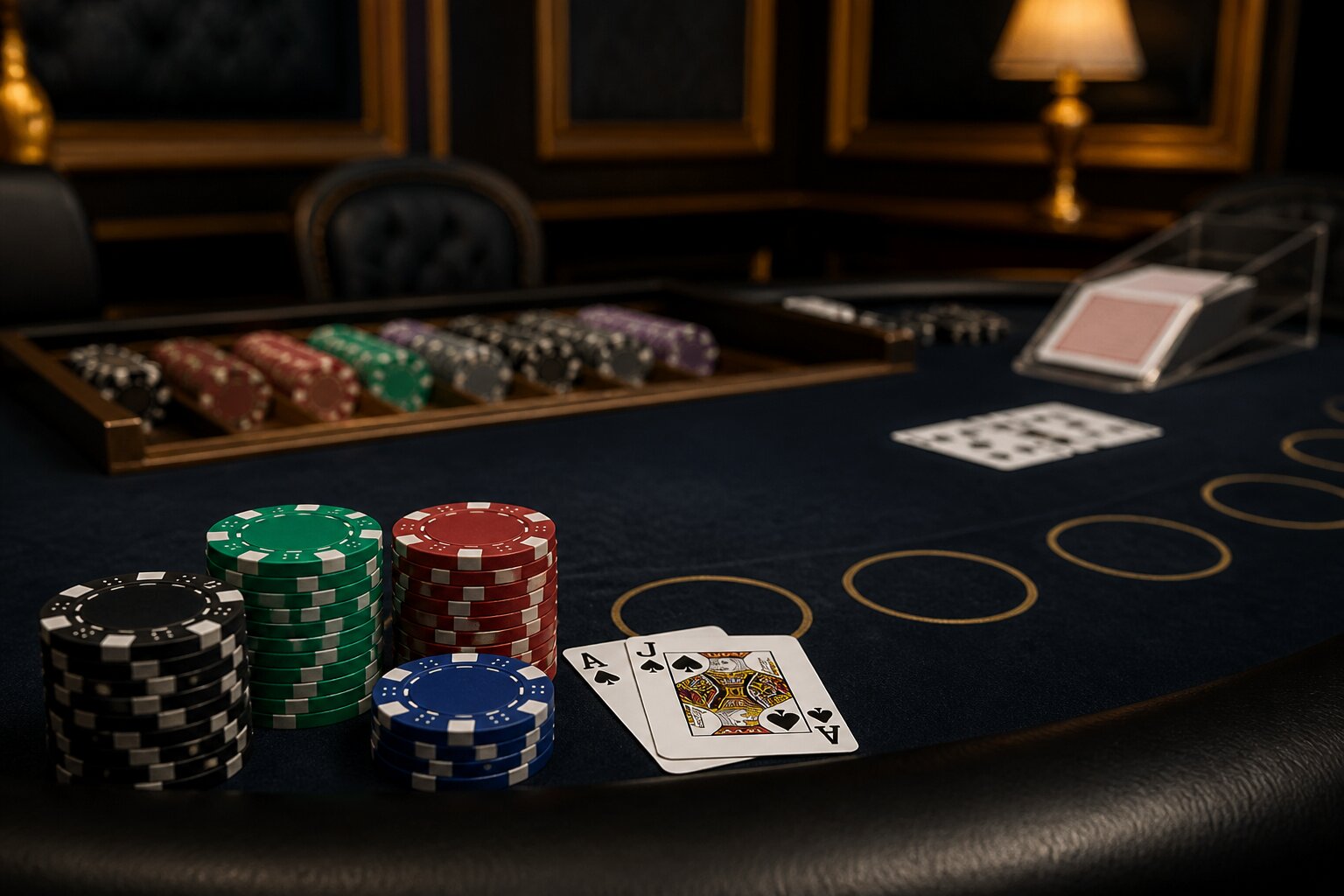
Ever found yourself sitting at a blackjack table, eyeing those extra boxes on the felt and wondering what all the fuss is about? You’re not alone. Side bets can turn a simple game of blackjack into something more exciting, sometimes offering the chance of a bigger win for a small wager, like staking an extra quid or two for a particular card combination. But what do these side bets actually mean for your gameplay, and why are so many players tempted to place them?
Whether you’re after a perfect pair, hoping for a suited ace and jack, or simply curious about an alternative to the main hand, side bets add a different dimension to the classic game. With their eye-catching names and talk of big payouts, they can be tempting. The key is knowing what you are really betting on and how these options affect your overall chances.
Understanding Side Bets in Blackjack
A side bet in blackjack is an extra wager made alongside the main hand. It is placed before the cards are dealt and is entirely separate from your primary stake. Unlike the main game, which aims to beat the dealer’s hand, side bets typically focus on specific card combinations appearing in the initial deal.
Common side bets pay out for events such as your first two cards forming a pair, or your two cards plus the dealer’s upcard creating a poker-style combination. Because the outcomes they reward are rarer than a typical hand win, their payouts are set higher. That higher payout comes at the cost of a larger house edge, so side bets tend to be riskier than the main blackjack wager.
Treat these bets as an optional extra that changes the flavour of play rather than the strategy of your main hand. Next, we’ll outline the main types you’ll encounter and what each one looks for.
Types of Blackjack Side Bets
Blackjack side bets can be grouped into a few clear categories, each with its own twist. Whether at a casino table or online, the most common varieties look for pairs, poker-style hands, matching suits, or specific totals and combinations. These bets sit alongside the main blackjack wager and are usually optional, with separate stakes and distinct payout tables.
Popular Side Bets You’ll Find at UK Casinos
Below are the main varieties and what they reward. The exact names, rules and payouts can vary between casinos and software providers, so it is sensible to check the specific game rules before placing a side bet.
Pair-Based Bets
Pair-based bets focus on whether your first two cards form a pair. Payouts differ depending on how closely the cards match: a mixed-colour pair, a same-colour pair, or a perfect pair where suit, colour and rank all match. These bets are easy to understand because they concentrate on just your two opening cards.
Because only two cards are involved, outcomes can be resolved quickly and the odds are generally easy to calculate compared with longer odds side bets. The simplicity makes pair bets popular at both physical tables and in online variants, where clear on-screen indicators show whether you have hit the required combination.
Poker-Style Bets
Poker-style bets use your first two cards combined with the dealer’s upcard, creating a three-card poker hand. The classic example is 21+3, which pays if the three cards form a straight, flush, three of a kind, straight flush or suited trips. These bets appeal to players who like the idea of a mini poker hand layered on top of blackjack.
Because they draw on poker hand rankings, these bets can produce larger top prizes for rarer hands. They also change the dynamics of play, since the dealer’s upcard directly affects your chance of success. As with all side bets, the house edge can be higher than on the main blackjack wager, so it is important to be aware of the payout table and probabilities.
Suited or Match Bets
Suited or match bets pay when your cards (and sometimes the dealer’s card) share the same suit, or when they are consecutive in rank. Some variants add a higher top prize for specific suited combinations, encouraging larger payouts if a rare matching pair appears.
These bets often appeal to players who enjoy simple, instantly resolved outcomes, since matching suits or consecutive ranks can be recognised at a glance. Variations exist that include the dealer’s upcard for a larger pool of potential combinations, and some games offer progressive jackpots linked to particularly uncommon suited sequences.
Special Combination Bets
These cover particular totals or named combinations, such as bets that reward a two-card total of 20 or a specific suited King-Queen pairing. They vary more between games and venues, so the exact rules and payouts are best checked at the table or in the game rules.
Special combination bets can offer eye-catching payouts for specific scenarios, but they also tend to carry distinct odds that differ from standard blackjack play. Because they are diverse in form, those interested should read the rules carefully and consider how frequently the combination is likely to occur before risking additional funds.
How Payouts Work for Different Side Bets
Payouts for side bets are set higher to reflect their lower probability. For example, a pair-based bet might offer 6:1 for a mixed pair, 12:1 for the same colour, and up to 25:1 for an exact match in suit and rank. A 21+3-style bet could pay 5:1 for a straight, rising to many times that for rarer outcomes.
Every game or table will display the specific payout schedule, often on the felt or within the game’s rules screen. These pay tables determine the statistical return for each bet, so checking them is essential before staking any chips. Understanding those payouts helps decide whether a particular side bet suits your play style and budget.
With the payouts and types covered, the next question is whether these bets are worthwhile at all for your session.
Are Blackjack Side Bets Worth Playing?
Side bets add excitement and the possibility of large single-hand payouts, but they are generally not a reliable way to turn a profit. Most experienced players treat them as entertainment rather than a core element of a winning strategy. They can be appealing for brief splurges—small stakes that change the pattern of a session—but they frequently increase volatility and the rate at which a bankroll declines.
When assessing value, compare the pay table and the implied return to the house edge. If a side bet offers a very high top payout but a low overall return, it will produce occasional big wins mixed with many small losses. That pattern suits players who want occasional spikes in their results; it does not suit those seeking steady, predictable returns.
Deciding whether to play a side bet often comes down to balancing the thrill of a possible big payout against the statistical disadvantage. The next section breaks that trade-off down with concrete comparisons of risk and reward.
Comparing Side Bets: Risk vs Reward
Side bets offer much higher nominal payouts than the main game, and the relationship between prize size and probability is usually clear: the larger the payout, the slimmer the chance of winning. Typical return figures for side bets fall noticeably below the RTP players expect from basic blackjack play.
Examples of common payoff structures include higher odds for perfect pairs and 21+3-style results, but those same bets often produce an RTP in the low to mid 90s, compared with a main game RTP that can be above 99% with correct play. That gap reflects the added house advantage and is the primary reason these bets are best approached as optional entertainment rather than a core tactic.
Comparing specific bets by their RTP and top payout helps pinpoint which ones are relatively more favourable and which are mainly novelty. With that perspective, players can choose how much of their stake to allocate to side bets if they want the excitement without overexposing their bankroll.
How to Place Side Bets at a Casino Table
Making a side bet at a blackjack table is straightforward. Each side bet has its own marked area on the table, separate from the main bet circle. To place a side bet, put your chips in that marked area before the round begins. Bets can be varied on a hand-by-hand basis, and minimums or maximums for side bets may differ from the main wager, so it helps to check table limits.
Dealers are used to explaining where to place side bets if you’re unsure, and table signage or the game rules will list the payouts. If you decide to play side bets, keep stakes modest and be aware of how they change the overall volatility of your session. Responsible gambling means setting limits you stick to, so the game stays enjoyable for you and others.
Can You Use Basic Strategy with Blackjack Side Bets?
Basic blackjack strategy is focused on decisions that affect the main hand—when to hit, stand, split or double—based on your cards and the dealer’s upcard. Side bets are independent of those choices because they are resolved from the initial deal and do not change in response to later decisions.
Because of that independence, there is no comparable “optimal” play for side bets; their value comes entirely from the pay table and the probability of the required card combinations. Comparing the house edge across side bet types is the practical way to judge them: those with higher RTPs are less unfavourable than others, but none typically match the efficiency of playing the main game with correct strategy.
If maintaining a consistent overall approach is the goal, many players keep side bet stakes small relative to their main wager so the lower expected return has only a limited impact on their session.
Enjoy Casino Games at Thor Slots
We'd like to welcome you to experience the fun and excitement our site has to offer. Come along and enjoy a friendly atmosphere where entertaining casino games await.
Getting started with us is straightforward: simply create your account, make a deposit and you’ll be ready to play. We hope you enjoy your time with us at Thor Slots.
**The information provided in this blog is intended for educational purposes and should not be construed as betting advice or a guarantee of success. Always gamble responsibly.