
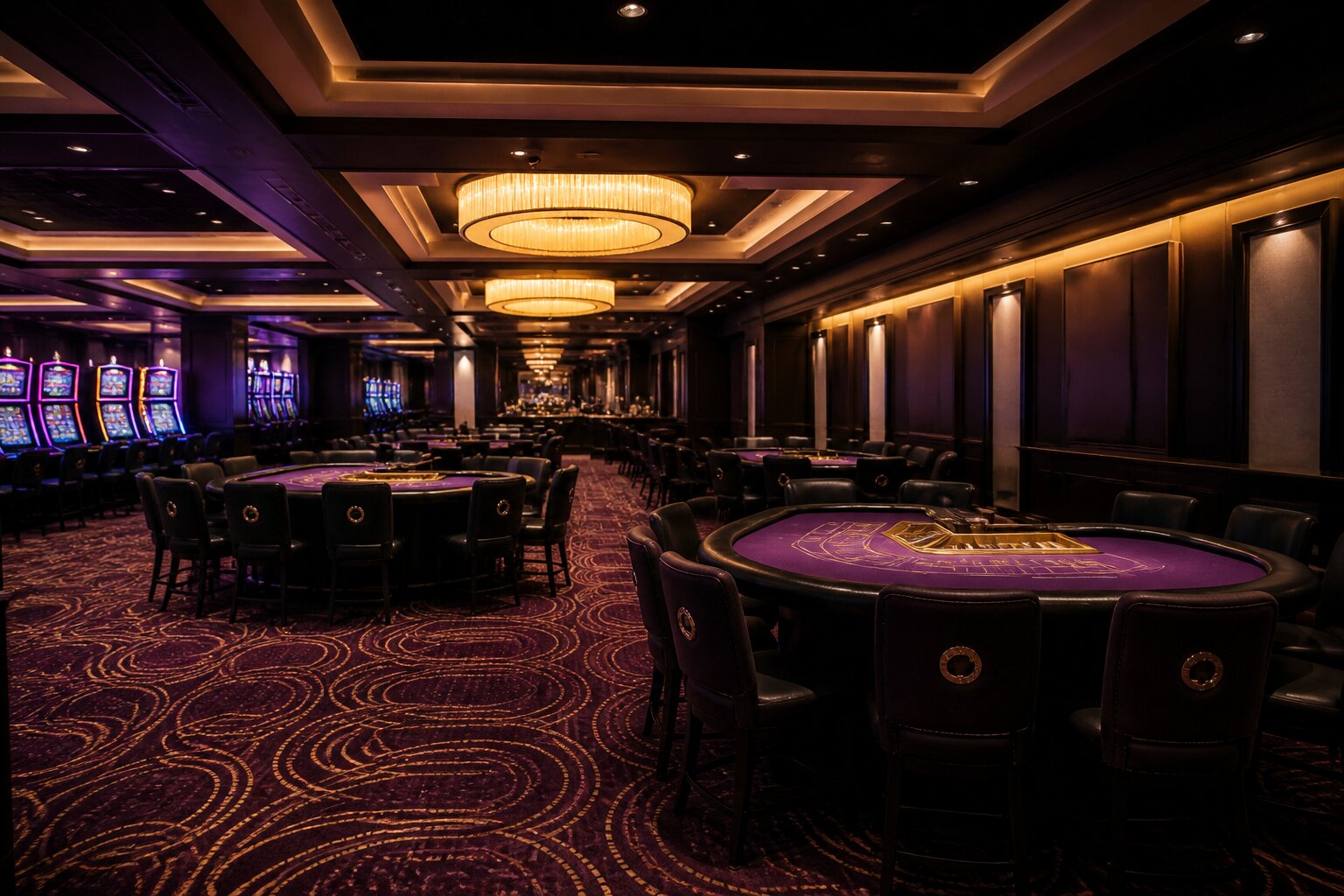
Ever stepped into a casino and noticed something missing? No glimpses of sunshine, no idea if it’s day or night—just the constant buzz of activity.
It’s not by accident. Casino design borrows from psychology to create immersive spaces that keep players focused on the experience.
Curious about the reasons behind these choices and what they mean for your visit? Read on to explore the design features that shape how a casino feels and why they matter.
Do Casinos Really Avoid Windows on Purpose?
Yes — many casinos deliberately limit windows. Removing external cues such as daylight helps create a contained atmosphere where attention stays on the games and the overall entertainment.
Without natural light or clear views of the outside, it’s easier for visitors to lose track of time. Designers use that continuity to sustain immersion, so the environment feels consistently stimulating regardless of the hour.
In the UK and other regulated markets, casinos must still meet legal and safety requirements. Design choices are balanced with building codes, fire exits and other standards that protect guests.
Now that you know why windows are often excluded, it helps to look at the specific elements designers use to shape behaviour.
How Casino Design Influences Customer Behaviour
Design elements combine to steer mood and movement. Comfortable seating and arranged clusters of games invite people to linger. Flooring patterns and the placement of aisles guide how guests circulate, making popular areas easy to reach and quieter corners more secluded.
Lighting and sound reinforce these cues. Low, consistent lighting with brighter highlights at game areas can make those spaces feel special, while background noise — not just music but the hum and chimes of play — builds a lively ambience that encourages social interaction.
These features don’t alter the rules of play or outcomes. Instead, they influence how long someone stays and how absorbed they become in the environment. For personal control, it’s sensible to pre‑set limits on time and spending and to take regular breaks so the surroundings don’t quietly extend a session beyond what you intended.
With that context, the specific roles of lighting and sound become clearer.
Lighting, Sound, and the Psychology of Time
Lighting and sound are tools for shaping perception. Artificial lighting is favoured because it can be tuned to maintain a steady mood throughout the day and night. By contrast, natural light varies with weather and time, which would make the atmosphere less consistent.
Music tempo, volume and the placement of sound sources are chosen to match the tone of the venue. Upbeat tracks can lend energy to a gaming floor, while milder playlists suit quieter areas. The regular mechanical and electronic cues from machines provide a rhythmic backdrop that subtly sustains engagement.
The absence of natural light removes a biological signal that helps people judge the time of day, so clocks and visible time reminders can be useful to counteract that effect. Noticing the time now and then helps keep visits in line with personal plans.
The Effect of Natural Light Versus Artificial Lighting
Artificial lighting lets designers control colour, brightness and focal points. This control supports visual comfort and highlights particular zones, such as bars or tables. Natural light brings variable contrast and seasonal shifts; it can make a space feel more open but also less predictable.
Some venues blend both approaches: windows or skylights soften interiors while artificial lighting ensures continuity after dusk. The result can be an environment that feels welcoming without sacrificing the careful visual balance designers aim for.
If you’re curious whether any casinos use real daylight, the next section answers that.
Are There Any Casinos With Windows?
Yes, some casinos include windows, especially those integrated into resorts or scenic locations. In these cases, natural light and views are used to enhance the overall setting and connect the gaming area to surrounding amenities.
Adding daylight can make a venue appear more open and can help guests stay aware of the time, which some players prefer. The presence or absence of windows doesn’t affect how games operate; fairness and game mechanics are governed by systems and regulations.
Knowing this, you can choose venues whose atmosphere matches your comfort — whether you prefer a more enclosed, continuous environment or a brighter space with outside views.
Myths About Casino Layouts Debunked
There are plenty of rumours about casino layouts: that certain machines are set to pay out more, or that exits are hidden to keep people playing. Most of these ideas misunderstand how modern venues work.
Machine placement often follows practical reasons such as visibility, accessibility and maintenance routes. Pathways and signage are also designed for safety and convenience. Legal requirements ensure clear exits and safe circulation, so guests aren’t intentionally delayed or obstructed.
Design does aim to keep customers comfortable and entertained, but regulated oversight and transparent operating practices shape what designers can — and must — do.
Having covered the common misconceptions, it’s worth looking at how design trends are shifting.
Is the Windowless Casino Trend Changing?
Design is not static. Recent venues increasingly consider customer comfort, which sometimes means reintroducing natural light or more open layouts, particularly in resort settings. These changes respond to consumer preference and a desire to create varied experiences within a single property.
Where daylight is brought back into a space, it’s often balanced with careful lighting control and acoustic management to preserve the advantages of a focused gaming floor while offering a more relaxed atmosphere in adjacent areas.
No matter how a venue looks, operators remain bound by regulatory and safety obligations. That means evolving styles must still meet standards for fairness, customer protection and safe operation. With those safeguards in place, you can pick an environment that suits you and manage your visit according to your own limits.
Final thought: understanding these design decisions makes it easier to choose the kind of visit you want and to keep it within your own preferences for time and spending. If you’d like, we can point you to venues that favour natural light or ones designed for a more immersive feel.
**The information provided in this blog is intended for educational purposes and should not be construed as betting advice or a guarantee of success. Always gamble responsibly.