
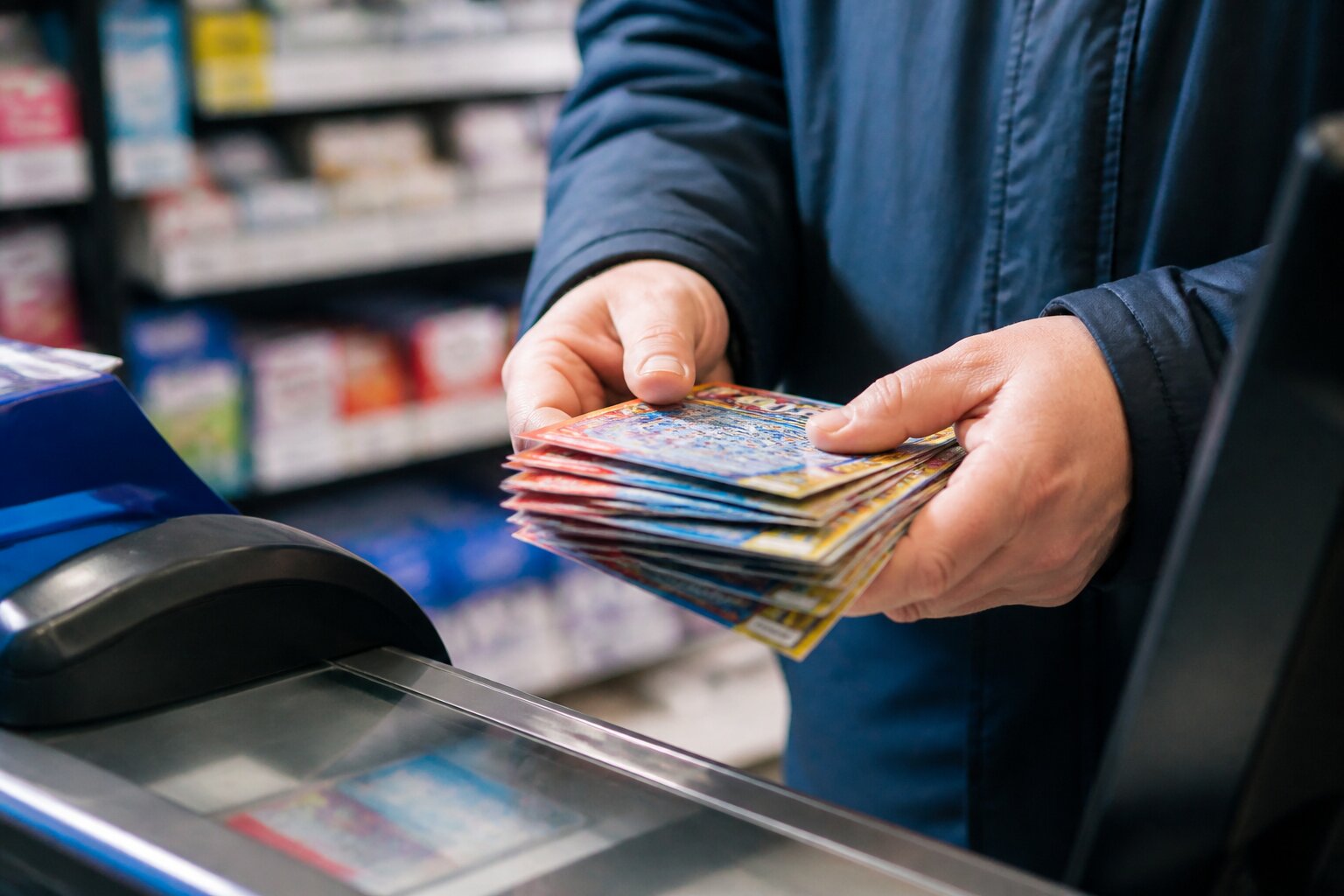
Ever stood at the corner shop wondering whether grabbing a handful of scratch cards is allowed or if you’re overstepping the mark? Whether you pick one for a quick flutter or you’re considering several for an event, the rules around buying them are surprisingly practical rather than mysterious.
Scratch cards are sold widely across the UK, from supermarkets to petrol stations. While they’re easy to buy, a few clear legal and retail controls determine how they’re sold and who can buy them. Read on to find out what those controls are and how they affect everyday purchases.
Official Limits on Purchasing Scratch Cards in the UK
There is no national law or Gambling Commission rule that sets a strict maximum number of scratch cards a person can buy in a single transaction. The National Lottery, which supplies most retail scratch cards, does not publish a universal cap for purchases at shops.
That said, age is the primary legal restriction: anyone buying scratch cards must be 18 or over. Beyond that, whether you can buy a large quantity comes down to the retailer. Shops may refuse sales for a range of legitimate reasons, and sometimes lack of stock is the deciding factor.
Retailers must also be alert to behaviour that suggests a problem and may refuse sales on those grounds. If you want to understand how those practical checks work in-store and online, the next section explains the age rules and verification methods you’ll encounter.
Are There Age Restrictions for Buying Scratch Cards?
You must be 18 or older to purchase scratch cards in the UK. Retailers are legally required to enforce this, and many follow Challenge 25: staff ask for ID if a customer appears under 25. A passport, driving licence or PASS-accredited proof-of-age card is normally accepted.
Online purchases involve digital age verification, which compares personal details against official records and can include uploading ID. Marketing and promotions for scratch cards must not target people under 18; this is a compulsory standard for everyone selling them.
With age verification explained, the way individual shops apply limits or refuse sales is largely a matter of their own policy and practical concerns, which is covered in the next section.
Retailer Discretion and Individual Shop Policies
Retailers have scope to set their own purchase limits for scratch cards. These rules are commonly put in place to protect customers, deter theft or fraud, and manage stock. Policies vary: one shop might permit a dozen cards per customer, another might limit sales to five, and some may refuse bulk purchases altogether.
Staff may refuse a sale if they suspect cards are being bought for resale, if a customer seems distressed, or if multiple purchases take place in a short space of time. These judgements are applied case by case rather than by a national standard.
Can Shops Set Their Own Purchase Limits?
Yes. A shop can impose a limit for any sensible reason, from local theft concerns to maintaining fair access for other customers. These measures are intended to balance commercial needs with customer protection.
If a shop has a limit, staff usually explain the rule at the point of sale. For larger requests, a brief conversation about the purpose of the purchase is common practice — the subject of bulk purchases is explored in more detail below.
How Do Online Purchases Differ from In-Store?
Online platforms manage limits and player protections in a more automated way. Accounts typically have deposit and spending controls, and systems flag unusual activity. Operators may prompt players with reminders or block transactions that exceed pre-set caps.
These controls are part of routine account management and help keep activity within agreed boundaries. Next, we’ll look at the main reasons retailers and operators apply limits, and why those reasons matter.
Reasons Behind Purchase Limits
A few practical concerns explain why limits exist. Fraud prevention is one: large purchases of high-value cards can be connected to criminal schemes, especially around promotions. Stock management is another—shops need enough stock so other customers can buy popular games.
Protecting customers is also a valid reason for limits. Restricting bulk sales can reduce the chance someone spends beyond their means or develops problematic buying patterns. In each case, the aim is to keep sales fair, secure and manageable for everyone involved.
With those reasons in mind, some people still need many cards at once for events or giveaways, which brings us to how bulk purchases are handled.
Can You Buy Scratch Cards in Bulk for Events or Gifts?
Bulk buying is often possible, but shops usually ask a few questions first. Requests for larger quantities for giveaways, charity raffles or business prizes are commonly accommodated, provided the buyer and recipients are all 18 or over.
Retailers may set a maximum even for event purchases, and some may ask for a brief explanation or written confirmation for unusually large orders. For substantial requests, documentation from a charity or business can speed the process. When cards are intended as prizes at an event, it’s sensible to include age-appropriate messaging for attendees.
If a retailer refuses a bulk sale, the next section outlines what happens and why limits are enforced in practice.
What Happens If You Try to Exceed the Limit?
If a purchase would exceed a shop’s limit, staff can lawfully refuse to sell the extra cards. In most cases they will explain the policy, sell up to the allowed amount and advise on alternative options where appropriate. Staff may also place a temporary hold on the transaction or ask for further information to confirm the purchase is legitimate.
Online, the platform will block transactions that go beyond account limits or set thresholds and notify the user. The site may require the customer to amend the purchase, split it into separate authorised transactions or provide additional verification before proceeding. Payment processors and accounts can also impose automated checks that stop the sale at point of payment.
These safeguards are designed to stop attempts to bypass rules and form part of a broader approach to secure, regulated retailing. If controls are triggered frequently on an account or at a shop, the operator or retailer may make further enquiries, restrict service, or review transaction history to ensure the purchases are legitimate and compliant with their policies.
Stay Safe: Responsible Gambling Tips for Scratch Card Buyers
Deciding on and sticking to a personal spending limit keeps buying scratch cards a short-form form of entertainment without causing financial strain. Keep a simple record of purchases over time so it’s easy to spot increases in frequency or spend.
Self-exclusion and account limits are practical tools if spending ever feels hard to control; they give immediate breathing space and are available both in stores and online. If gambling begins to affect daily life, a confidential support service can offer guidance.
Finally, treat scratch cards as paid entertainment rather than an income source — there is no guarantee of a return. If you’re managing purchases for events or as gifts, ensure everyone involved is over 18 and that the purchase complies with the retailer’s policies.
Enjoy Casino Games at Thor Slots
Fancy exploring some entertaining casino games with us? At Thor Slots, we offer a friendly space where you can enjoy the excitement at your own pace.
Getting started is straightforward: simply create an account, make a deposit and you're ready to begin playing. We're here to make your experience enjoyable every step of the way.
**The information provided in this blog is intended for educational purposes and should not be construed as betting advice or a guarantee of success. Always gamble responsibly.