
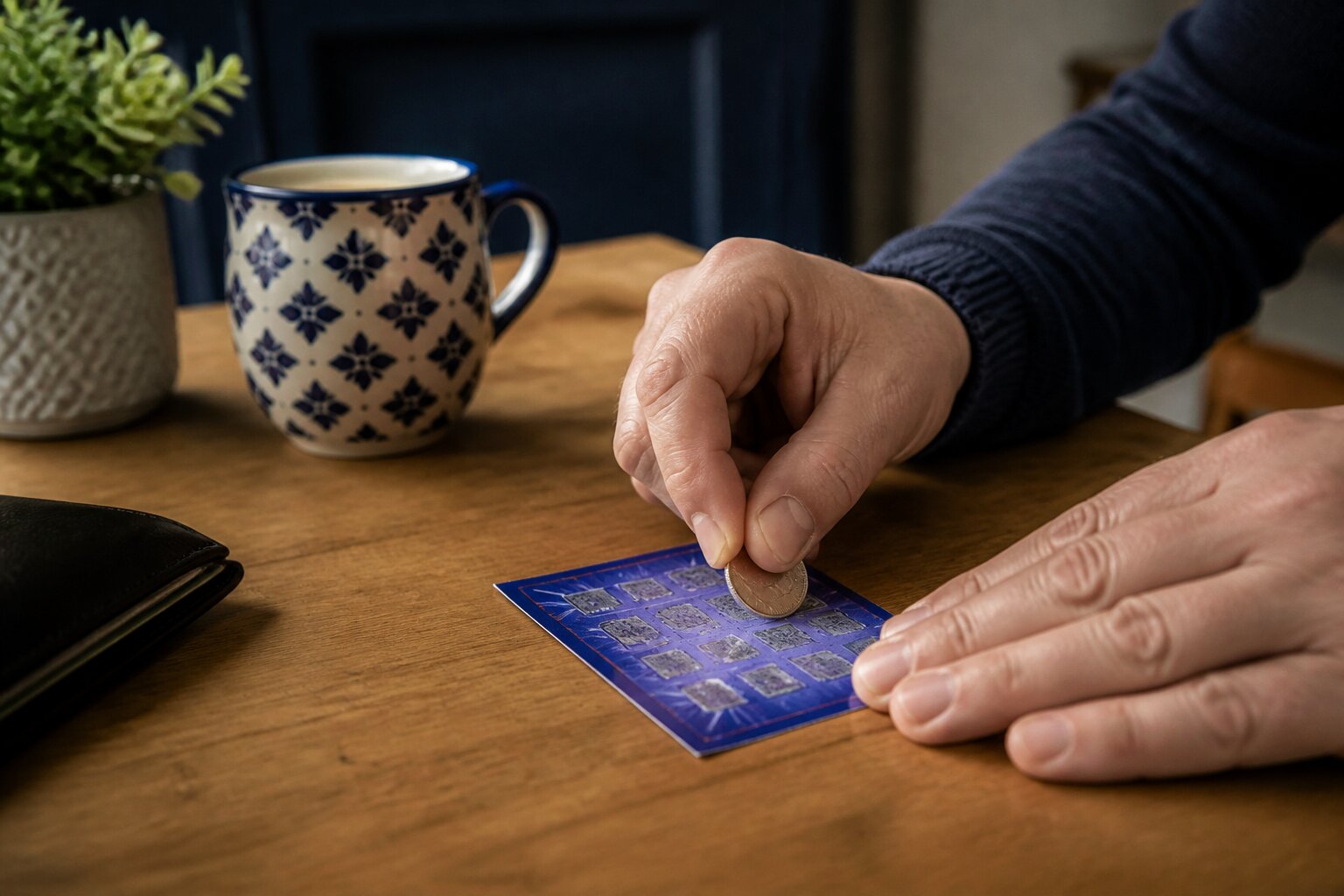
Ever stood at the corner shop, eyeing the rack of scratch cards and wondering whether the big prizes are still out there? That question is common — the thrill of revealing a win is part of the appeal, but many players want to know if worthwhile prizes remain before buying.
Keeping track of remaining jackpots and cash prizes can be tricky, especially as new games arrive and older ones are withdrawn. Reliable, up-to-date information can make choosing a ticket feel a little less random and a lot more informed.
How Can You Find Out Which Prizes Are Still Available?
The most reliable place to check is the official National Lottery website, which lists current scratch cards and shows how many top and lower-tier prizes remain for each game. Those pages are updated regularly and reflect the operator’s official records.
Retailers often display official point-of-sale posters or in-store game sheets that include prize information, which can be handy for a quick check while you’re buying. Bear in mind these may not be updated as frequently as the site.
There are also independent lottery information sites that aggregate prize figures. If using these, ensure they source their data from the operator’s official records so the numbers are accurate. Trusting verified, regulated sources is the safest way to avoid outdated or incorrect figures. This will make it clearer which games are still worth a look and which have most of their major prizes gone.
Understanding How Scratch Card Prize Pools Work
Prize pools for scratch cards are fixed before any tickets are printed. At launch the operator decides how many tickets will be produced and exactly how many prizes of each value will exist across that run.
For example, a game with 1 million tickets might include three top prizes of £250,000 alongside many smaller wins from £1 up to £10,000. Those prizes are randomly distributed through the print run, so neither retailers nor buyers know the locations of winning tickets.
Once the print run is complete, the number and value of each prize type cannot be altered. The process is regulated and documented to ensure transparency. Since prize placement is random, there’s no reliable method for predicting which individual ticket will be a winner; outcomes are governed by the game’s initial design and distribution rather than any pattern.
Knowing how a prize pool is constructed helps explain why prize tallies change over time and why some prizes may go unclaimed, which is covered in the next section.
Where to Check for Updated Remaining Prizes
Start with the National Lottery’s “Scratchcards” pages for the current “Prizes Remaining” listings — they are maintained by the operator and typically the fastest source for updates. If you prefer a paper reference, ask in store for the official game sheet or poster supplied to retailers.
If you consult third-party sites, look for clear citations showing the figures come from the operator’s official data and note how frequently the site refreshes its listings. Sites that lag in updates or do not reference official sources can show stale numbers.
Using official listings reduces uncertainty and makes it easier to compare games before buying. The following section explains why some prizes that were originally listed never end up being claimed.
Why Do Some Prizes Disappear Without a Winner?
There are a few straightforward reasons prizes shown at launch might never be claimed. One common cause is unsold tickets. If a game is withdrawn or ends while some tickets are still unsold, any prizes on those unsold tickets remain unclaimed and are removed from circulation.
Another reason is unclaimed wins. Winners have a finite period to claim prizes (the operator’s terms usually set this), and if a winning ticket is not presented in that timeframe the prize becomes void. Once the claim deadline passes the prize funds are treated according to the operator’s rules, often being allocated to good causes or returned to central funds as specified by regulation.
These outcomes are part of how games are managed and reported, so prize lists can show initial totals that differ from the number of prizes actually claimed over the life of the game. The way unclaimed or unallocated prizes are handled is explained in official documentation and helps maintain transparency across all games. The next section looks at what this means for the published odds.
Are Odds Affected by Remaining Prizes?
The odds printed on a scratch card are calculated at launch from the total tickets and the full list of prizes. For example, if a game starts with 1 million tickets and three top prizes, those numbers define the stated odds.
As prizes are claimed, the practical chance of winning a specific, now-claimed prize obviously becomes zero; the printed odds do not update to reflect individual prize depletion. For prizes that remain, the effective probability of finding one depends on how many of those prizes are still in circulation versus how many tickets remain unsold. Because tickets are distributed randomly and sellers cannot identify where remaining winning tickets are, there is no way to use remaining-prize information to influence an outcome.
Checking prize availability gives a clearer picture of what could still be won, but it does not create any advantage. The printed odds are useful as a baseline, while prize-remaining lists show how those baseline conditions have shifted during the game’s lifetime.
Comparing Remaining Prize Information from Different Sources
Different sources can show slightly different figures because they refresh at different rates or use different update cycles. Typical differences arise between:
- Official National Lottery pages, which are updated directly by the operator and usually the most current.
- Regulated operator or affiliated sites, which mirror official data but can lag by a few hours.
- Third-party sites or apps, which may update infrequently or not reference official feeds and therefore risk showing older numbers.
Discrepancies are usually a matter of timing rather than conflicting facts. For accuracy, rely on operator-maintained pages and check the timestamp or update frequency on any source you use. The following concluding section draws together what this means for players.
The Bottom Line: Staying Informed About Scratch Card Prizes
Checking remaining prize information helps people make more informed choices about which scratch card to buy, but it does not change the fundamental randomness of individual tickets. Use operator-provided prize listings or clearly sourced regulated sites for the most accurate picture before purchasing.
Keep play within affordable limits and view tickets as a form of entertainment rather than a means to an end. If gambling becomes a concern, support and tools are available from recognised organisations to set limits or seek advice.
Stay informed, make considered choices when buying scratch cards, and keep play enjoyable for its own sake.
**The information provided in this blog is intended for educational purposes and should not be construed as betting advice or a guarantee of success. Always gamble responsibly.