
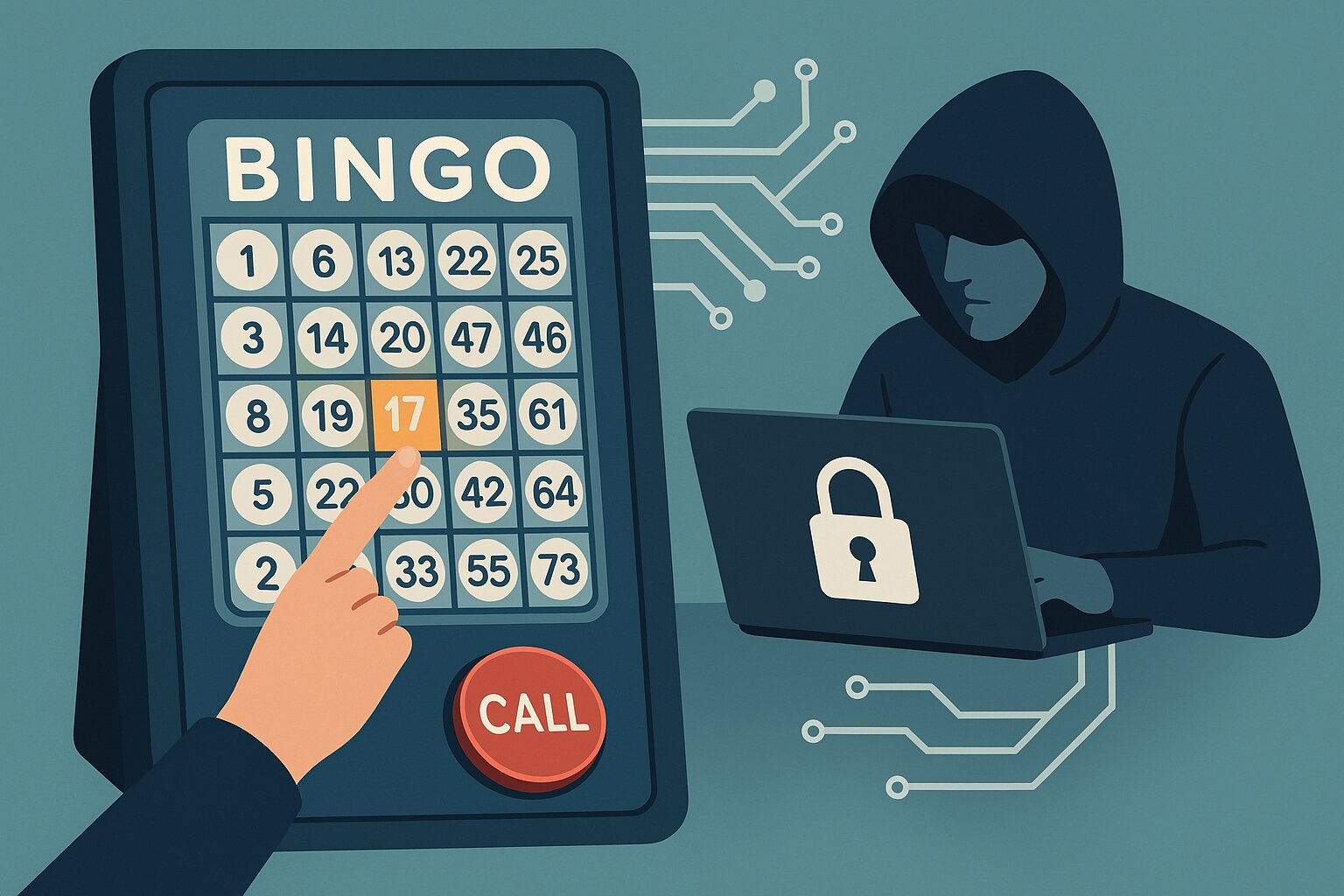
This post clears up confusion around electronic bingo machines and the rumours that swirl about them. You’ll find straightforward explanations of how the machines operate, what security is in place, and why cheating is not a realistic option in regulated venues.
We aim to be concise and transparent. If you want to understand the technology and safeguards behind electronic bingo, read on — each section builds on the last so you get the full picture.
What Are Electronic Bingo Machines?
Electronic bingo machines are computerised devices that deliver the familiar game of bingo on a touch screen. Instead of paper cards and dabbers, players use a screen that generates tickets, marks numbers as they are called, and keeps score automatically. This removes the risk of missed numbers and helps players follow multiple tickets more easily.
These devices run specialised software that governs ticket generation and marking. They are subject to regulatory requirements that demand certified testing and ongoing checks, so the software must meet defined standards before a machine is put into service. Hardware and software work together to provide the same basic game structure you would expect from a paper game, but with automation that reduces human error.
Operators maintain the equipment and monitor its performance. Regular updates and checks are part of the operational routine, and any technical faults are logged and addressed promptly to protect the integrity of play.
Next, we’ll tackle the rumours people often repeat and explain why they don’t stand up to scrutiny.
Common Myths About Cheating Electronic Bingo Machines
Stories about people finding “secret” ways to beat machines spread quickly, but most of these claims misunderstand how the systems work. The industry builds layers of protection into both software and hardware, and those protections are independently tested and audited. Below are some common myths and the reasons they are misleading.
Myth: Electronic Bingo Machines Can Be Hacked Easily
The notion that machines are simple to hack comes from a misunderstanding of modern security practices. Licensed machines are developed with strong encryption, access controls, and tamper-evident features. Independent testing checks for vulnerabilities before a machine is deployed, and ongoing audits look for any signs of interference.
Beyond technical defences, there are procedural safeguards. Machines are installed in controlled environments, access is restricted, and activity logs are monitored for unusual patterns. Attempts to interfere with devices are illegal and treated seriously by operators and regulators.
Myth: Software Glitches Guarantee Wins
Software errors do occasionally happen in any complex system, but the idea that a bug would produce predictable wins is not accurate. Games are subject to formal testing regimes that include both pre-deployment validation and live monitoring. When faults are found, they are investigated and fixed with priority because they affect fairness and player trust.
Operators record incidents and report significant faults to the appropriate authorities. This oversight helps ensure that faults do not create systematic advantages for any player.
To understand why these protections matter, it helps to know how the machines determine outcomes.
How Do Electronic Bingo Machines Operate?
Outcomes on electronic bingo machines are determined by certified random number systems embedded within the software. These systems govern ticket generation and the sequence of numbers presented in a game. Their design and implementation are part of the package inspected during certification.
Independent specialists test both the random number systems and the overall software to confirm the game behaves within defined statistical expectations. Testing examines factors such as distribution of outcomes and repeatability under controlled conditions, ensuring results remain within acceptable parameters.
Operationally, machines keep secure logs of activity and events. These logs provide an audit trail that helps operators and regulators investigate anomalies. Encryption protects communications and stored data, while controlled access prevents unauthorised changes to software or settings.
If you want to know whether machines can be interfered with, the next section explains the security measures that deter and detect tampering.
Are Electronic Bingo Machines Secure?
Security for electronic bingo machines covers software, hardware, physical installation and ongoing monitoring. Certified random systems ensure unpredictability; encryption and secure protocols protect data; and physical security measures reduce the risk of unauthorised access.
Independent testing and audits verify that the random systems operate as designed and that the software meets regulatory standards. Operators also use monitoring systems that flag unusual behaviour for investigation, and maintenance procedures ensure software patches and updates are applied in a controlled way.
Because of these combined protections — technical, procedural and physical — the opportunity to manipulate a machine in a way that benefits a player is extremely limited and would be quickly discovered.
Now that you have a handle on how the systems work and how they are protected, it’s worth addressing the question people often ask directly.
Can You Cheat an Electronic Bingo Machine?
In regulated venues, the safeguards described earlier make cheating impractical. Machines are subject to continuous oversight, and any suspicious activity is logged and reviewed. Legal consequences for tampering or fraud are substantial, and operators will pursue incidents to protect other players and the venue.
Operators also use analytics to detect patterns that could indicate abuse, and staff are trained to spot and report irregularities. These combined measures protect the fairness of the game and the interests of honest players.
If something about a game feels unclear to you, asking staff for an explanation is the best immediate step — they can review logs or provide details about the machine’s certification.
How Are Gaming Authorities Protecting Players?
Gaming authorities set the standards machines must meet and require that operators adhere to strict testing and reporting regimes. Certified testing bodies provide independent verification that the software and hardware meet those standards before machines are used publicly.
Regulators also require operators to keep records and report faults or suspicious events. This creates transparency and a clear chain of responsibility. Enforcement powers are in place so that any breaches of rules can be investigated and addressed.
Operators must provide accessible information about how games work and how to raise concerns. These requirements form a regulatory framework designed to keep gaming fair and accountable for everyone involved.
With those protections in place, players can check a few practical points that help them understand fairness in practice.
What Should Players Know About Bingo Machine Fairness?
Players benefit from transparency, testing and clear oversight. Before machines are available to play, independent testing confirms that outcomes meet statistical fairness standards. Operators also document procedures and make information about testing and certification available on request.
Fair play involves both technical fairness and responsible operation. Operators provide details about game rules and can explain how outcomes are generated. If a player spots behaviour that seems irregular, staff can investigate using the machine’s logs and reports.
Support and help remain available for anyone who needs it. If gambling stops being enjoyable, there are services that offer confidential guidance and tools to set personal limits. Operators will usually point players to those services and have measures in place to assist where needed.
We aim to keep games clear, verifiable and free from manipulation so everyone can take part with confidence. If you would like to know more about any specific machine on our floor, speak to a member of staff or check our information pages for certification and testing details.
**The information provided in this blog is intended for educational purposes and should not be construed as betting advice or a guarantee of success. Always gamble responsibly.