
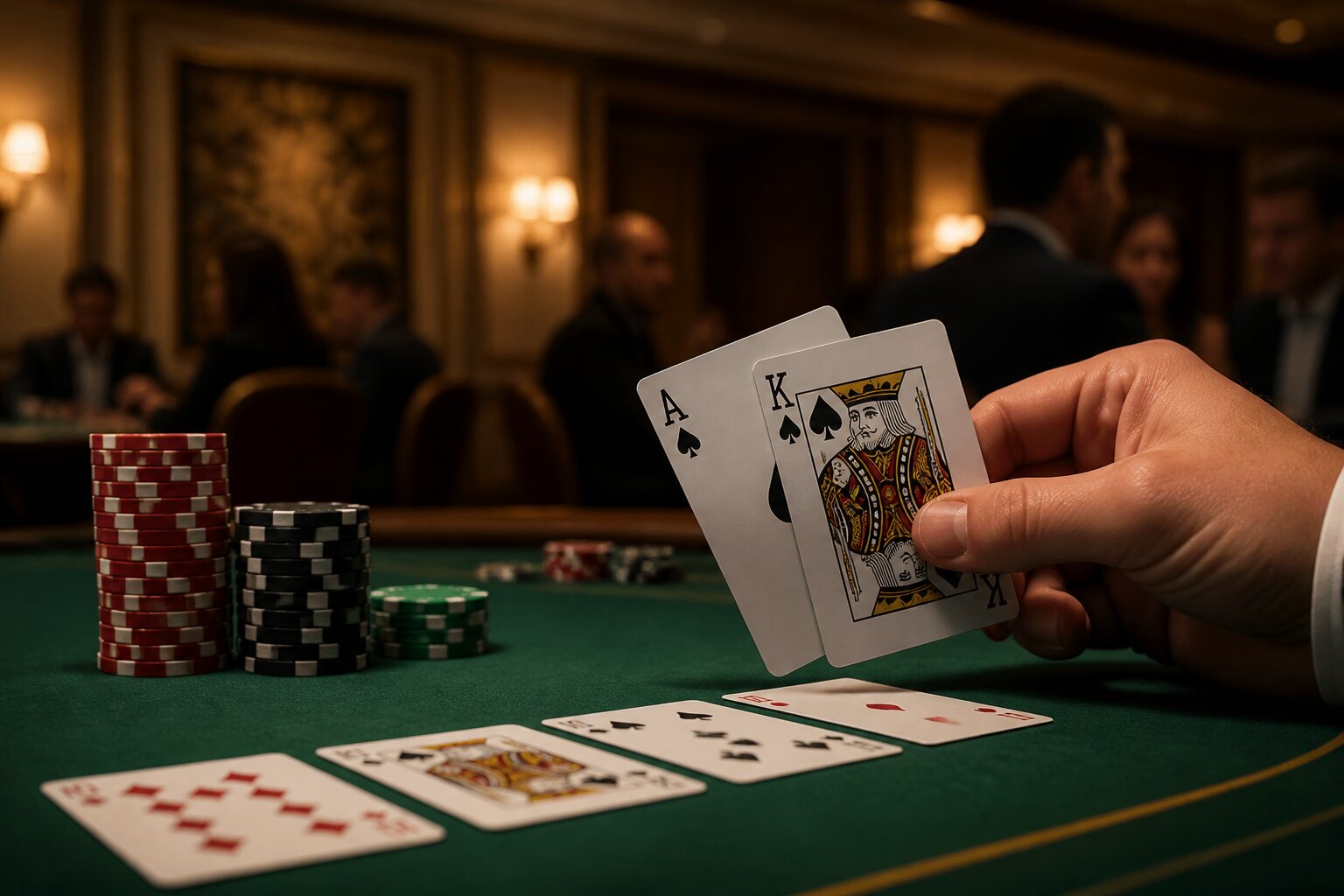
Card games have long been a staple of casinos, offering a mix of strategy and chance. With plenty of options available, it helps to know which games are most commonly played and how they differ.
Whether you’re new to casino gaming or simply brushing up on the basics, a clear overview makes it easier to pick a game you’ll enjoy. This guide sets out the main card games you can expect to find at properly regulated online and land-based venues, so you feel informed before you play.
Read on for concise, practical explanations of each game, the types you’ll encounter, and how to choose the one that suits you best.
What Are the Main Types of Casino Card Games?
Casino card games generally fall into three main categories: banking games, poker-style games, and comparing games.
Banking games see the player up against the house, which acts as the dealer. Blackjack and baccarat are typical examples, with objective rules that determine whether you win a round. The interaction is usually between each player and the dealer rather than between players.
Poker-style games pit players against one another rather than the house. The casino provides the venue and may take a fee from the pot. Texas Hold’em and Omaha are familiar forms, where winning depends on making the best hand or persuading others to fold.
Comparing games focus on which hand scores higher, whether against the dealer or among players. They can blend features of banking and poker-style games; casino stud poker is a good example, mixing set deal rules with direct comparison of hands.
These categories help explain the basic structure of most card games and make it easier to decide which type you might prefer.
How Many Card Games Are Commonly Offered in Casinos?
Most regulated casinos maintain a core selection of card games that players expect to find. Typically, there are around five to ten of the most popular titles available at any venue.
Large casinos and well-established online sites often offer a wider variety, including both classic titles and a few regional or modern variants. Smaller venues tend to stick to the staples: blackjack, baccarat, and a handful of poker formats.
What matters most is not the absolute number of games but that each option comes with clear rules and transparent odds. Regulated operators are required to provide those details and to make it straightforward for players to find guidance before they join a table.
If you prefer variety, look for larger venues or online platforms that list more variants; if you want to focus on a single familiar game, most casinos will provide that too.
How Do Classic Card Games Differ From Modern Variants?
Classic games like blackjack and traditional poker have long-established rules and predictable gameplay. Their simplicity is part of their appeal: the objectives and common strategies are well known, which makes them accessible to many players.
Modern variants introduce fresh elements—additional side bets, altered rules, or bonus features—that change the pace and offer new ways to approach the game. These variations can be created to increase engagement or to provide alternative betting options, while leaving the central mechanics recognisable.
Both classic and modern versions must meet regulatory standards, so fairness and transparency are maintained. Choosing between them comes down to whether you prefer the familiar flow of a classic or the novelty of a variant that adds extra layers to the experience.
Transitioning from types and variants, the next section breaks down the most commonly played card games so you can see how they actually work in practice.
Popular Casino Card Games Explained
British casinos provide a selection of card games that are straightforward to learn and follow. Each game below includes the basic aim, how play proceeds, and what to expect at the table. These descriptions are for general information only; always check the specific table rules, stakes and published odds before you play.
Blackjack
Blackjack deals each player two cards and asks them to form a total as close to 21 as possible without going over. Players make choices such as taking extra cards or keeping their total, and outcomes are resolved by comparing the player’s hand to the dealer’s according to set rules.
Variants and small rule changes can affect strategy and the house edge. Common variations include differences in the number of decks used, dealer behaviour on soft 17, and whether doubling down or splitting is allowed. It is useful to check the table rules and limits before joining so you know what options are available.
Baccarat
In baccarat, bets are placed on which option will have the higher hand. Typical choices are:
- the player
- the banker
- a tie
Cards are dealt by fixed procedures and the scoring counts only the last digit of the total value, which means totals above nine are reduced by ten. The simplicity of the bets and the clear drawing rules are key features that attract many players, and side bets may be offered at some tables.
Poker Variants
Poker in casinos appears in many formats. In community-card games, such as:
- Texas Hold’em
- Omaha
players combine private cards with community cards to make the best five-card hand. Other casino poker variants pit players directly against one another, while games like Casino Hold’em see players facing the house.
The social interaction and strategic depth make poker a long-standing favourite. Different formats change the balance between skill and luck, so familiarise yourself with betting structures and table etiquette beforehand.
Casino War
Casino War is a straightforward contest: the player and dealer receive one card each, and the higher card wins. Ties may lead to a “war” where additional cards are drawn, offering a simple, fast-paced play experience that requires little prior knowledge.
Because the rules are minimal, Casino War is often played quickly with higher turnover of hands. The simplicity makes it a good option for beginners who want instant action.
Three Card Poker
Three Card Poker gives each player three cards and asks them to form the strongest possible poker hand. Players can choose to continue against the dealer or fold based on hand strength.
The compact hand size speeds up play and simplifies hand rankings compared with five-card poker. Some tables offer separate ante, play and bonus payouts, so check how each paytable works before betting.
Pai Gow Poker
Pai Gow Poker blends poker with the structure of a traditional Chinese game. Players receive seven cards and split them into a five-card hand and a two-card hand, both of which are compared to the dealer’s hands.
The split-hand element introduces a tactical layer not present in many other casino games. Decisions about how to set the two hands affect overall outcomes and can reduce variance compared with single-hand games.
All these games are operated under regulated conditions and are accompanied by published rules, so you can check specifics before taking a seat. Remember these games are designed for entertainment; know the odds, set limits, and ensure you meet the legal age and local regulatory requirements before playing.
Which Card Games Have the Best Odds in Casinos?
The "house edge" describes how much advantage the casino holds over the long run. Games such as blackjack and some poker forms typically offer relatively low house edges when played with sound decision-making and under favourable table rules. That means the average difference between player stakes and house returns is smaller than with many other casino games.
Conversely, games with additional side bets or altered rules often increase the house edge. Knowing the particular rules at your table is important, because small differences—number of decks in blackjack, or payout changes in Baccarat—can affect the expected return.
It is also useful to remember that short-term outcomes can vary widely from long-term averages; understanding house edge helps you choose games aligned with the level of risk you are comfortable with. Use available limit-setting tools to manage spending, and treat play as entertainment rather than a source of income.
What Are the Most Social Card Games Played in Casinos?
Some games naturally prompt more social interaction. Poker stands out because it places players in direct competition with each other, allowing for conversation, strategy, and a shared atmosphere at the table. Live-dealer poker variants and certain community-card games also encourage social play by drawing players into the same round.
Other games can be social in different ways. A busy blackjack table or a baccarat pit with multiple players often produces a communal feel, though the competitive focus remains on the dealer. Choosing a table where the tempo and player mix match your preference will shape how social the game feels.
While social elements can enhance the experience, it’s sensible to stay aware of your own limits and time at the table so the social side does not distract from safe play.
Common Myths About Casino Card Games
There are persistent myths around casino card games that can lead to unrealistic expectations. One is the belief that skill alone guarantees consistent wins. While strategy affects short-term outcomes in some games, the established rules and house edge govern expected returns over time.
Another misconception is that previous results influence future outcomes for independent rounds. Each deal or hand is resolved according to the game’s rules and is not affected by prior sequences. Similarly, methods or betting patterns cannot overcome the house edge in the long term.
Understanding these points helps to set realistic expectations and supports more informed choices at the table.
How to Choose the Best Card Game for Your Casino Visit
Choosing a game begins with personal preference: consider whether you want a quieter experience or something more interactive. Familiarity with the rules makes the game easier to enjoy, so selecting a format you already understand or can practise in demo mode is a solid starting point.
Check the table or site rules for any variations that might change the flow or payouts. Think about session length and stakes to match your budget and the amount of time you plan to spend. Using built-in tools such as deposit or time limits lets you keep play within planned boundaries.
Ultimately, choosing a card game is about aligning the format, rules and social atmosphere with how you want to spend your time and money.
Frequently Asked Questions About Casino Card Games
Casino card games prompt a number of common questions, especially from newcomers. The answers below clarify several frequent concerns so you can feel more confident before playing.
Are casino card games based on chance or skill?
Card games combine elements of chance and decision-making. The cards dealt determine immediate possibilities, while choices made by players affect how a given hand plays out.
Is it safe to play card games at regulated casinos?
Yes, properly regulated casinos must follow rules to ensure fair play and provide tools to help players manage their activity. This includes clear game rules and options to set limits.
Can I practise casino card games online?
Many sites offer free or demo versions that let you learn rules and experiment with strategies without committing funds. These are useful for gaining familiarity before wagering.
What should I do if gambling stops being enjoyable?
If play stops being enjoyable or starts to cause concern, take a break and consider tools such as deposit limits or self-exclusion. Support organisations are available if you need further help.
Where can I find clear rules for each casino card game?
Regulated operators must make game rules available, typically on their websites or as printed guides at land-based venues. Reviewing those rules before joining a table is a practical step.
If you want to try a particular game, I can help point you towards which variants suit different budgets and play styles.
**The information provided in this blog is intended for educational purposes and should not be construed as betting advice or a guarantee of success. Always gamble responsibly.